Almost nobody knows what to do in the hours after a burglary — yet the order of steps decides your compensation, your household's immediate safety and even the investigation's quality. Print this guide with your insurance papers.
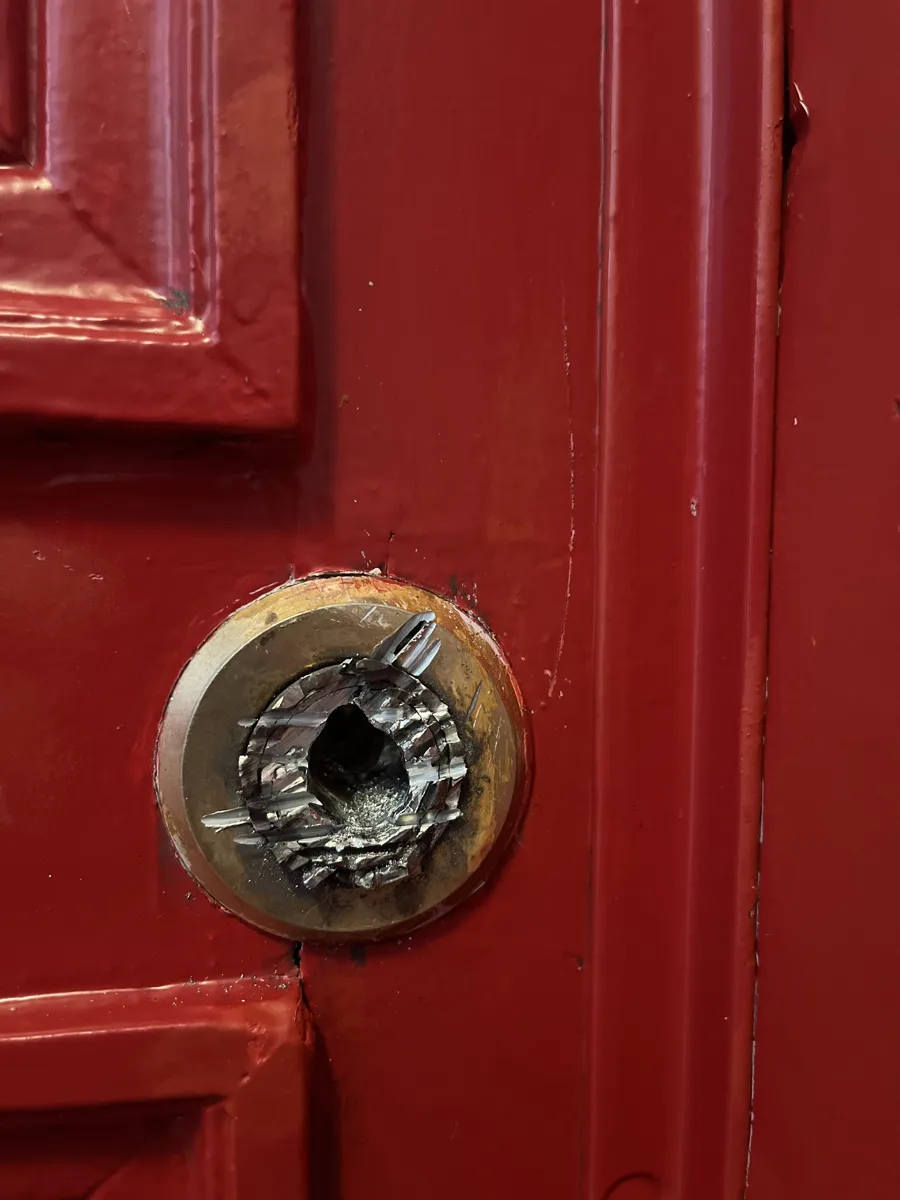
Hour 0: safety first, both ways
Door forced or ajar on arrival: do not enter. A surprised burglar is unpredictable — move away and call 17 (or 112). Already inside a visited home? Walk back out the way you came, touching nothing, and call. Report attempted break-ins too: attempts feed the investigators' pattern-matching on neighbourhood series.
Hours 0–2: preserve, record, block
Touch nothing before police instructions — traces are lifted from unremodelled scenes, and the urge to tidy is your enemy. Photograph everything, widely: the door and lock from several angles, every room as found. Block immediately: bank cards (24/7 lines), chequebooks, phone. If keys were stolen along with documents bearing your address, cylinder replacement becomes the absolute emergency: whoever holds keys and address can return "without forced entry" — the scenario French insurance covers worst.
Hours 2–6: the complaint
File promptly — the French online pre-complaint speeds the process. Bring ID, photos, and a first list of stolen items (makes, models, serials; archived invoices and photos of valuables earn their keep here). The récépissé de plainte is THE master document: no compensation without it.
Hours 4–12: secure the home — your right AND your duty
The tenacious myth says "repair nothing before the expert". The reverse is true: once police notes are taken, your policy requires you to limit further damage. Emergency securing covers fractured locks and cylinders, burst strikes and frames, and a solid provisional closure when the door is beyond immediate repair — plus a quick audit of the other accesses. Keep replaced parts, demand an itemised invoice and an intervention certificate (we provide both), and beware doorstep "repairmen" who happen to pass after burglaries. At night, securing does not wait for morning: a provisional closure at 2 am beats a sleepless watch behind an open door.
Days 1–5: the insurance claim
Respect your policy's declaration deadline (typically two working days for theft). File: complaint receipt, photos, valued list with any proof, securing invoices. If an expert is missioned, prepare the visit like a case file: written chronology, sorted documents, unrepaired damage left visible where safe. And reread your policy's ceilings and protection clauses at this occasion — before the next time.
Weeks 1–4: rebuild — the locks and the rest
A burgled home faces a raised risk of revisit within the year: the intruder knows the layout, and the weaknesses that let him in are documented — by him. This is audit time: certified multipoint, armouring or block by exposure, window locks, access lighting — indemnity often part-funds the upgrade. And say the other thing out loud: a burglary is a break-in into intimacy, and the insecurity that follows is normal, in children and adults alike. Talking, getting support if sleep does not return, and re-inhabiting the place quickly are part of the rebuild — victim-support services (116 006 in France) exist for that too. Shops add their lines: save CCTV footage at once, condemn a forced metal shutter the same night, prepare the stock inventory with the accountant, and alert neighbouring shopkeepers — series often target one street.
The condensed checklist
☐ H0: don't enter if in doubt — 17. ☐ H0–2: touch nothing, photograph, bank/phone blocks. ☐ H2–6: complaint, receipt kept. ☐ H4–12: emergency securing + certificate; cylinder replaced if keys stolen. ☐ D1–5: insurance claim on time. ☐ W1–4: expert prepared, security upgraded, family looked after. ☐ Before the next: valuables archived, and a trusted locksmith's number saved — chosen calmly, not in panic.
A question, a project, an emergency?
A locksmith answers the phone — price range on the call, firm quote before work, 24/7 across the Paris region, in English.
📞 07 66 54 96 41